Modern V8 Power Systems
Explore the Power of HEMI Engines: Performance Improvements and Benefits Explained
HEMI engines are well known for their distinctive design and impressive performance capabilities. Car enthusiasts frequently look for methods to boost their power and efficiency with different modifications. From air intake modifications to advanced tuning techniques, numerous options exist. Still, not all upgrades produce the same level of improvement. Understanding the most effective strategies and common pitfalls is essential for maximizing performance. What specific upgrades can truly reveal the full potential of these powerful engines?
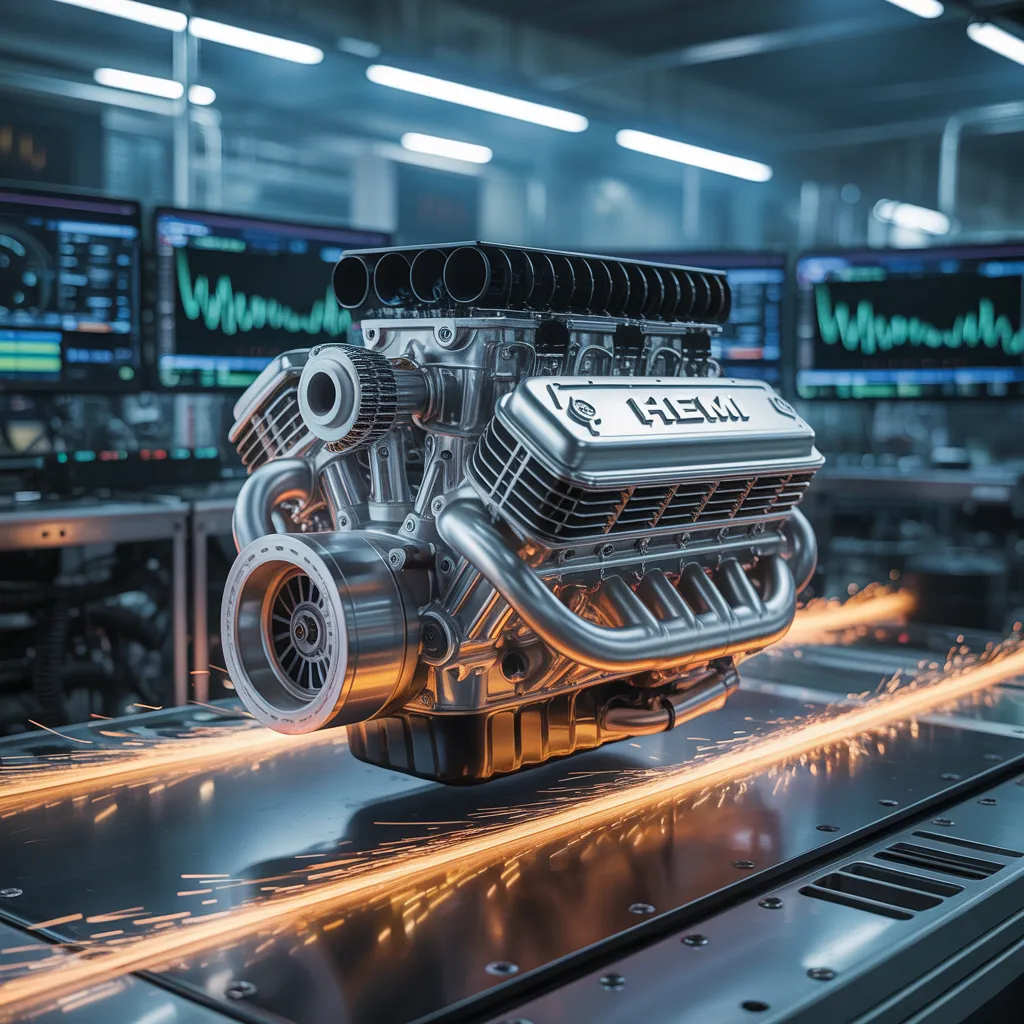
Understanding HEMI Engines and What Makes Them Unique?
HEMI powerplants, celebrated for their distinctive hemispherical combustion chambers, have earned a legendary status in the automotive industry. Their distinctive design promotes efficient airflow, enabling better fuel combustion and improved power output. The combustion chamber's geometry maximizes the angle at which the fuel-air combination enters, improving performance across a wide range of RPM ranges.
Such engines generally include a angled piston, which pairs well with the dome-shaped chamber, producing a more complete combustion process. This leads to higher torque and horsepower compared to standard flat-head engine configurations. Additionally, HEMI engines frequently employ a dual overhead cam design, greatly boosting performance and responsiveness.
The combination of these mechanical features not only supports their exceptional performance but also delivers a distinctive auditory experience, making them highly popular among car enthusiasts. Their heritage continues to grow, symbolizing power and innovation in the automotive industry.
Enhancing Horsepower Using HEMI Modifications
Increasing horsepower in HEMI engines can be accomplished through various effective modifications. Critical modifications include optimizing air intake systems, installing exhaust performance enhancements, and examining various engine tuning options. All of these upgrades is essential for maximizing engine efficiency and output.
Air Induction Systems
When considering performance enhancements for HEMI engines, air intake systems serve a vital purpose in boosting horsepower. These systems work to maximize air delivery to the engine, allowing for better combustion and increased power output. By swapping out stock air intakes for high-performance alternatives, enthusiasts can markedly reduce air restrictions, producing enhanced throttle response and quicker acceleration. Upgraded air intake systems typically incorporate wider diameter pipes, enhanced air filters, and improved cold air induction designs, helping to deliver more efficient engine operation. Furthermore, these upgrades can improve engine sound, delivering a more aggressive tone on the road. Overall, upgrading the air intake system can be a vital step for enthusiasts aiming to achieve the maximum performance from their HEMI engines.
High-Performance Exhaust Enhancements
Optimizing the exhaust system is a key enhancement for improving the performance of HEMI engines. A high-performance exhaust system enables improved airflow, lowering back pressure and helping the engine to run more smoothly. This gain in capability produces higher horsepower and torque. Components such as headers, cat-back systems, and performance mufflers can greatly alter exhaust flow dynamics. Moreover, these enhancements can elevate the engine's sound, providing a more aggressive tone that many performance seekers value. When matched with other modifications, such as enhanced air intake systems, the gains are significantly amplified. In summary, performance exhaust upgrades act as an fundamental step for those seeking to maximize the potential of their HEMI engines.
Engine Optimization Options
Engine tuning strategies play a pivotal role in unlocking the full potential of HEMI engines. By modifying the engine's air-to-fuel ratio, ignition timing, and other parameters, drivers can significantly increase horsepower and torque. Widely used methods feature reprogramming the engine control unit (ECU) with optimized tune files, allowing for improved fuel efficiency and timing precision. Additionally, aftermarket tuners often provide customizable options that cater to specific driving styles, whether for everyday driving or competitive racing. Combining performance upgrades, such as upgraded air intake systems or performance fuel injectors, maximizes the advantages of the tuning process. Overall, a proper tuning strategy not only enhances engine capability but also refines throttle precision, making it a vital consideration for HEMI owners looking for improved performance.
Top Performance Upgrades for HEMI Engines
Many enthusiasts seek to enhance the performance of HEMI engines to unlock their full potential. Essential upgrades consist of cold air intakes, which improve airflow and boost horsepower. Performance exhaust systems are also crucial, as they reduce backpressure and enhance engine sound. Upgrading the camshaft can fine-tune valve timing for increased torque and horsepower, while high-performance fuel injectors guarantee a more efficient fuel delivery.
Furthermore, installing a high-performance throttle body allows for more rapid response and enhanced airflow. Motor tuning, using a tailored ECU remap, can amplify gains from these enhancements by fine-tuning fuel maps and ignition timing. As a finishing touch, incorporating a heavy-duty oil cooler can boost engine longevity by keeping perfect temperatures during performance driving. These upgrades operate together to upgrade a standard HEMI engine into a performance machine, delivering enthusiasts with a exhilarating driving adventure.
Tips for Improving HEMI Fuel Efficiency
Although performance modifications frequently take center stage in HEMI engine conversations, fuel consumption remains equally significant for enthusiasts aiming to strike a balance between power and economy. Multiple methods are available to boost fuel efficiency while maintaining optimal performance.
Regular maintenance is vital; keeping the engine well-tuned, including timely oil changes and air filter replacements, guarantees peak performance. Additionally, utilizing premium fuel can improve combustion efficiency. Tire pressure must be regularly checked and sustained, as correctly inflated tires minimize rolling resistance.
Driving behavior also plays an important part; using smoother acceleration and deceleration can produce significant savings on fuel. Minimizing unnecessary weight in the vehicle and clearing out unessential cargo can help boost overall efficiency.
As a final consideration, taking advantage of the use of fuel-saving driving modes, where offered, enables drivers to customize settings for better mileage. By adopting these strategies, HEMI enthusiasts can enjoy enhanced fuel efficiency together with their engine's remarkable power.
How Exhaust Upgrades Can Enhance Your HEMI Performance
Enhancing the exhaust system can considerably improve HEMI performance by enhancing exhaust flow dynamics. This not only allows for increased horsepower potential but also contributes to a more satisfying engine sound quality. Such upgrades can transform the driving experience, making it both more powerful and rewarding.
Optimized Exhaust Flow Dynamics
Improved exhaust flow dynamics play an essential role in enhancing HEMI engine performance, as high-performance exhaust systems can significantly minimize backpressure. By incorporating premium exhaust headers, larger diameter pipes, and high-flow catalytic converters, the exhaust gases can evacuate the engine more effectively. This minimization of backpressure facilitates quicker evacuation of exhaust, promoting better intake air flow and improving combustion efficiency. As a result, HEMI engines achieve greater horsepower and torque output, along with better throttle response. Additionally, these modifications can contribute to improved fuel efficiency, making them an attractive option for power-focused drivers. Overall, upgrading exhaust flow systems not only boosts performance but also unlocks the engine's full capabilities, ensuring an enhanced and thrilling driving experience.
Enhanced Engine Sound Quality
When exhaust upgrades are implemented, they not only boost a HEMI engine's capabilities but also greatly improve its sound quality. Improving the exhaust system allows for a more aggressive and refined exhaust note, delivering a richer, more pronounced sound that many automotive fans find appealing. This transformation is accomplished through elements including performance mufflers and high-flow catalytic converters, which lower back pressure and elevate the overall acoustic experience. The sound created by a modified exhaust system adds to the vehicle's identity, making it stand out on the road. Additionally, a well-tuned exhaust can inspire feelings of power and performance, elevating the driving experience for HEMI owners while capturing the admiration of fellow automotive enthusiasts.
Improved Horsepower Potential
Exhaust upgrades release significant horsepower potential in HEMI engines, revolutionizing their performance output. By optimizing exhaust flow, these upgrades reduce back pressure, allowing the engine to breathe more freely. Performance headers and cat-back exhaust setups improve the removal of exhaust gases, which leads to greater engine efficiency. This improved flow not only leads to greater horsepower but also improves throttle response, making acceleration more immediate and powerful. Additionally, lightweight components can lower total vehicle weight, further enhancing performance. When paired with additional upgrades, such as performance air intake systems, the power increases can be significantly greater. Ultimately, exhaust modifications give HEMI owners a direct and proven approach to release greater power and performance from their engines.
Advanced Performance Tuning for HEMI Engines
Unlocking the total power of HEMI engines calls for a comprehensive understanding of advanced tuning approaches. These practices include optimizing engine control units (ECUs) to enhance fuel maps and ignition timing, which significantly improves performance. Custom tuning allows enthusiasts to customize settings based on targeted upgrades, such as aftermarket intakes or exhaust systems.
In addition, leveraging engine performance chips can yield rapid gains in power and torque output by modifying key parameters for improved performance and fuel efficiency. Data logging tools are invaluable for tracking engine performance in the moment, facilitating adjustments that optimize boost levels and air-fuel ratios.
Additionally, high-level tuning may include refining valve timing and camshaft profiles, improving engine airflow for maximum efficiency. By employing these techniques, owners of HEMI engines can experience considerable improvements in performance as well as drivability, upgrading their cars into high-performance machines that reflect their individual specifications and personal driving styles.
Common Mistakes to Avoid When Upgrading Your HEMI
What pitfalls should HEMI enthusiasts be aware of during their upgrade journey? One frequent error is failing to research compatibility when choosing components. Numerous enthusiasts buy parts without confirming their compatibility with particular HEMI models, resulting in performance problems or expensive returns.
Another common mistake is failing to recognize the significance of tuning after upgrades. Upgrades often necessitate recalibrating visit this page the engine's computer to optimize performance, and neglecting this step can lead to disappointing outcomes.
Moreover, many often underestimate the benefit of expert installation. Do-it-yourself modifications can result in errors, most notably with sophisticated configurations.
Finally, owners frequently prioritize looks over performance, purchasing showy upgrades that fail to improve overall output. By sidestepping these common errors, HEMI fans can guarantee a smoother modification journey and reach the intended improvements effectively.
Commonly Asked Questions
Which Vehicles Typically Feature HEMI Engines?
HEMI engines are commonly found in numerous Dodge and Chrysler vehicles, among them the Charger, Challenger, Ram trucks, and Jeep Grand Cherokee. These engines are renowned for their power and performance capabilities across multiple models.
How Does a HEMI Engine Compare to a V8?
A HEMI engine commonly delivers greater power and torque output in contrast to a traditional V8, thanks to its unique hemispherical combustion chamber configuration. This setup improves overall efficiency and output, making HEMIs a favorite with performance enthusiasts.
How Dependable Are HEMI Engines for Daily Use?
HEMI engines are generally considered reliable for daily driving, providing a combination of power and longevity. Many users report satisfactory longevity and efficiency, making them a viable choice for regular use in various driving conditions.
What Is the History Behind HEMI Engines?
HEMI engines were introduced during the 1950s, utilizing a hemispherical chamber design that improved efficiency and power. Originally celebrated in racing, they earned widespread popularity in everyday vehicles, boosting performance and cementing their iconic reputation.
Is It Possible to Install a HEMI Engine in Any Vehicle?
Placing a HEMI engine into any vehicle is feasible, but demands substantial alterations. Alignment with the vehicle's transmission, chassis, and electrical systems must be evaluated, as well as regulatory requirements and emissions guidelines in the locality.